Tea Houses in Seoul with Great Matcha
Some places you visit. Some places you go to on purpose, with nowhere else to be. Seven tea houses in Seoul worth making the trip for.
Some places you visit. Some places you go to on purpose, with nowhere else to be.
That’s the tea house category. These aren’t spots you stumble into mid-shopping or grab on the way to the next thing. You plan for them, make the trip, and sit down properly. The matcha is the reason you’re there — but the space is part of the experience too.
I love matcha the way it’s done in Japan — not sweet, not masked by anything, just the tea doing what good tea does. Seoul’s tea houses surprised me. The ones on this list genuinely hold up. One tip before you go: say no sugar when you order. Not all of them will ask.
All the Places at a Glance
Eight Tea Houses Worth Your Afternoon
All visited, all honest. One tip that applies almost everywhere — say no sugar when you order.
Dongdong Teahouse
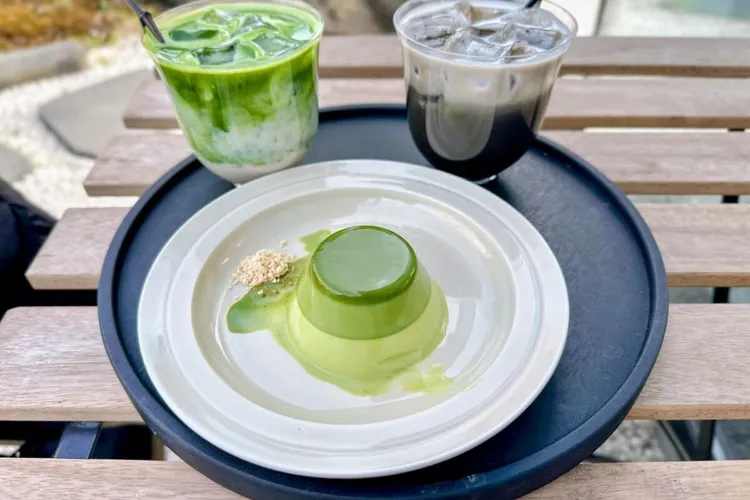
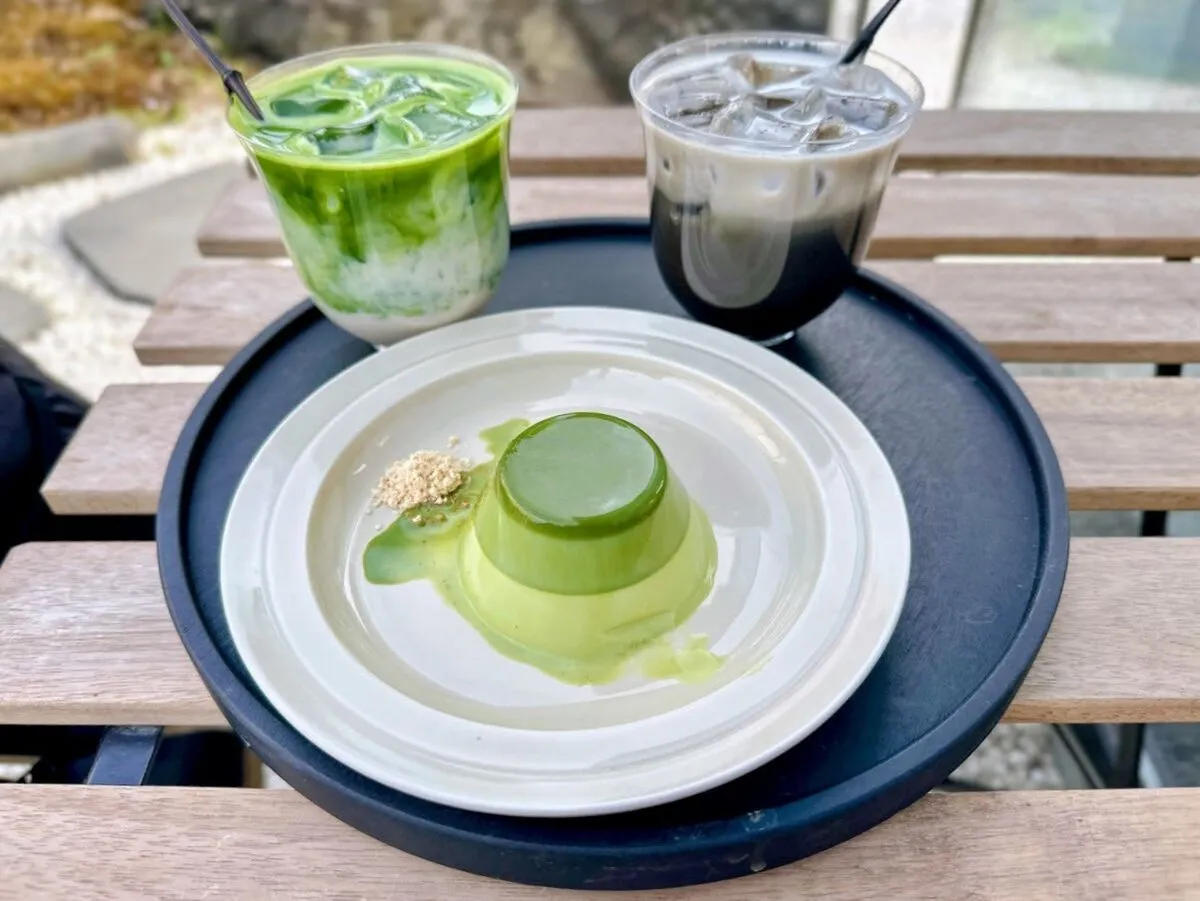
This one is on the third floor with no elevator — worth knowing before you go, but also part of what keeps it feeling the way it does. Small, quiet, and intentional. The design is Japanese garden-inspired, and it works. Eight indoor seats and a few outside. When we got there around 5pm on a weekday it was calm enough that you could actually exhale.
What I appreciated most before even tasting anything: the menu offers sweet and non-sweet versions upfront. You don’t have to remember to ask or catch someone mid-pour. That small thing says a lot about how seriously they take it. I ordered the traditional matcha latte without sugar — legit matcha, clean flavor, exactly what I came for. My husband had the black sesame hojicha latte. We shared the matcha panna cotta for dessert and it all held up.
This is the kind of place you go to on purpose, not on the way to something else. Plan for it and you’ll leave feeling like you used your afternoon well.
T. Nomad
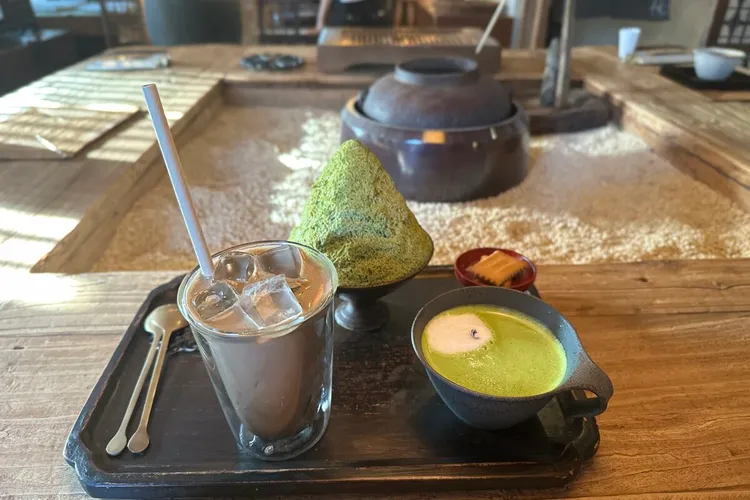
The moment you walk in, the setting does exactly what it promises. Rustic, warm, designed like a traditional Japanese tea house with calm music playing softly in the background. This is genuinely one of the most peaceful spots I found in Seoul — the kind of place that makes you forget you’re in a busy city.
I had the matcha latte and it came sweet. I’m not sure whether a non-sweet option exists or whether I simply needed to ask when ordering — something I’d recommend clarifying when you make your reservation or the moment you sit down. It’s worth asking before they make your drink rather than after.
Don’t let that put you off though. The atmosphere alone makes it worth the trip. If you love the idea of a slow, quiet afternoon in a space that feels genuinely considered, this is it.
Osulloc Tea House
Yongsan Location
Bukchon Location
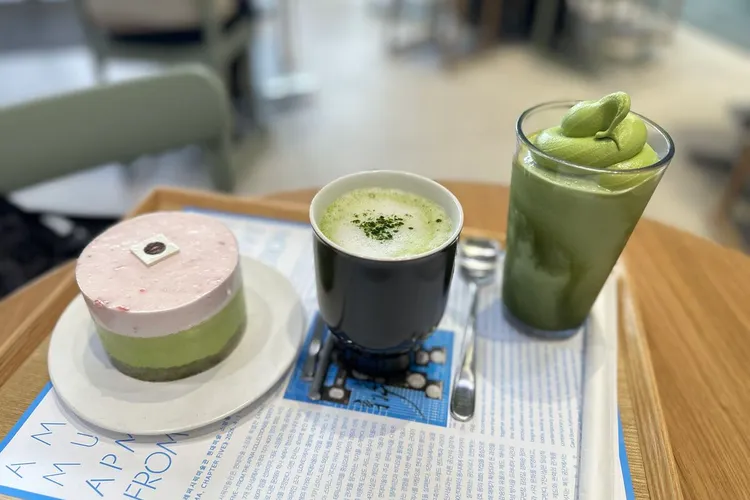
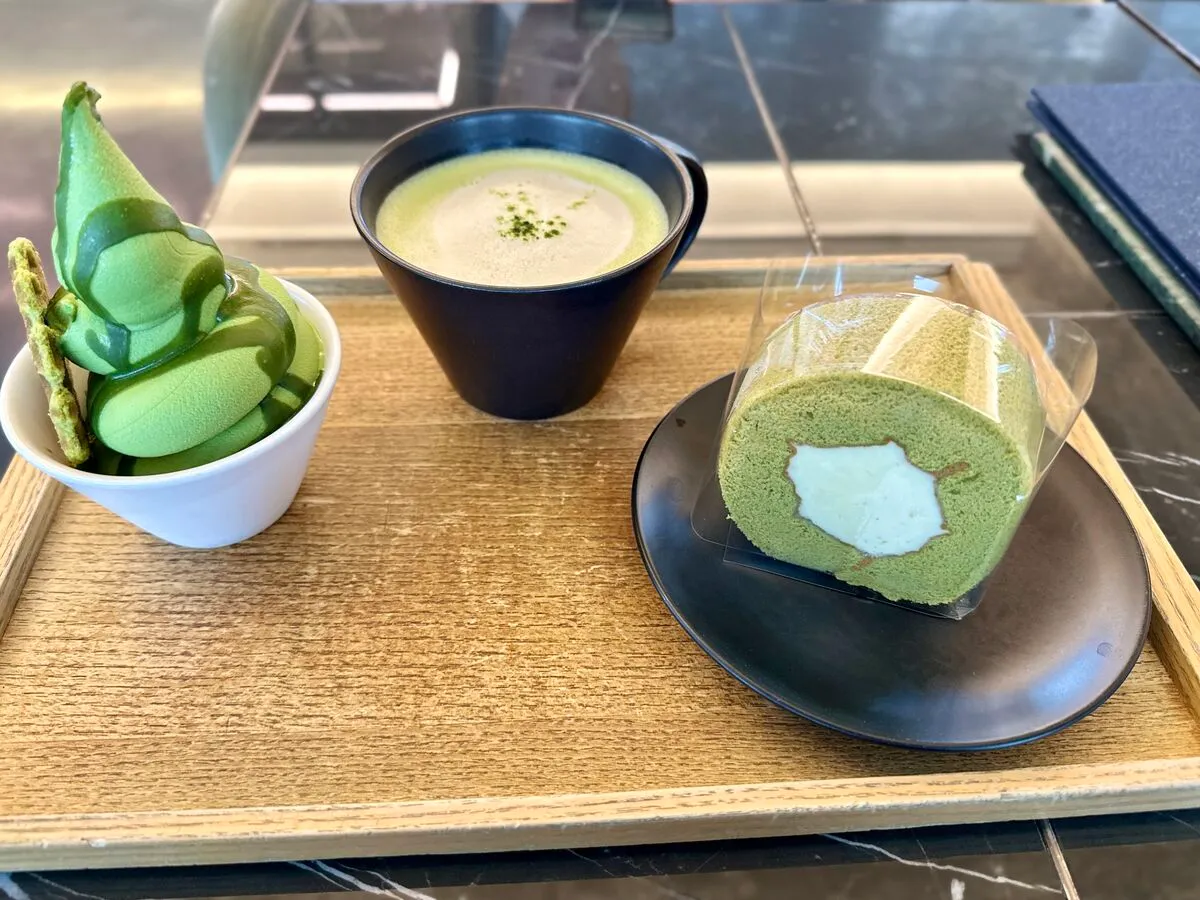
Osulloc is the name in Korean matcha. Their tea comes from Jeju Island — lighter and more floral than Japanese matcha, and genuinely good in its own way. It took me one sip to understand why people keep coming back.
They do sweeten by default, so mention it when you order if you’d rather have it without. But here’s the thing — even if you forget, the drink isn’t ruined. The sweetness stays mild enough that the actual matcha flavor still comes through. That’s a meaningful difference from places where the sweetness buries everything. I order mine with oat milk and it works really well with the lighter character of Jeju matcha.
The food is worth your time too. The cheesecake and tiramisu are both good — neither overly sweet, which fits the whole approach of the place.
They have three sit-down locations in Seoul, each worth visiting for a different reason. The Bukchon location is inside a traditional hanok building near Anguk station — go for the atmosphere. The Yongsan location has two Osulloc spaces side by side: the tea house with plenty of seating, and the flagship store which offers an afternoon tea set. The MMCA branch is inside the National Museum of Modern and Contemporary Art near Gyeongbokgung Palace — a good stop if you’re already exploring that part of the city.
Pyunkang Yul Tea House
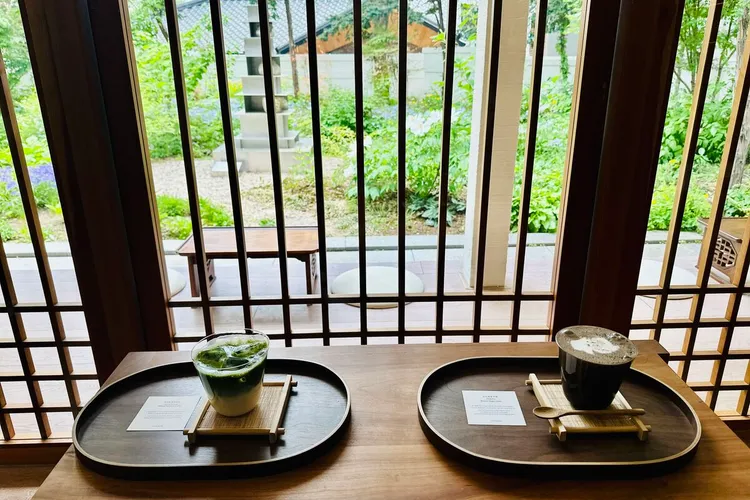
I didn’t know much about this place before going in, but the moment you sit down it makes complete sense. The space is beautiful — Japanese-style wooden lattice windows, calm music, a subtle essential oil scent in the air, and seats that look directly out onto a lush garden. It’s the kind of atmosphere that makes you slow down whether you planned to or not.
What I didn’t know until after was that Pyunkang Yul is actually a well-regarded Korean skincare brand rooted in traditional Eastern medicine. The tea house is the ground floor of their flagship space in Bukchon — above it is a skincare showroom and a rooftop with views over Gyeongbokgung Palace.
The matcha is served iced only, which is worth knowing before you go. It’s also on the pricier side compared to most places on this list. They don’t ask about sweetness, so make sure you ask for no sugar when you order. Once you do, it comes exactly right — clean matcha flavor, nothing getting in the way of it.
Mochibang
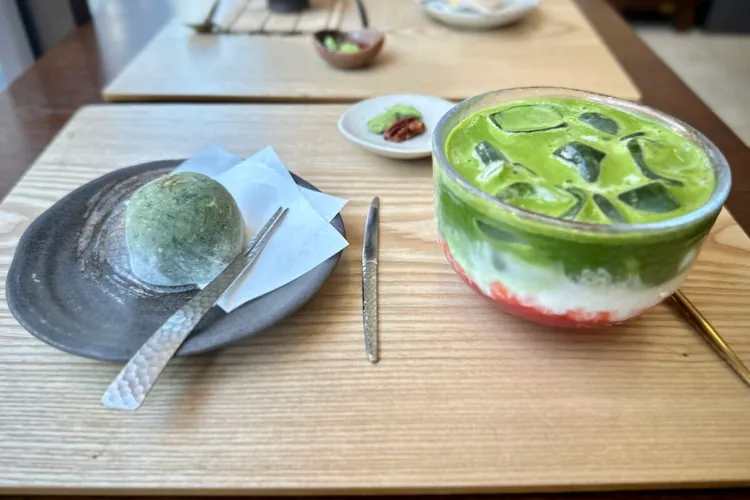
A small Japanese matcha spot in Gangnam with just a few seats. The moment you sit down, there’s one thing to know: you’re required to order both a drink and a dessert. Not a bad rule when both are this good — just go in knowing so you can budget for it.
The matcha itself comes without sweetener, which is exactly right. I had it with strawberry layered at the bottom — the color alone makes it worth ordering, and the sweetness from the strawberries works naturally with the matcha without masking it. One thing to note: this place doesn’t carry oat milk or alternative milk, so if that matters to you, plan accordingly.
For dessert you pick your mochi from a selection of different types. They’re well made and visually beautiful. Mine leaned on the sweeter side — if you like your desserts properly sweet this is going to be a highlight.
Chaten
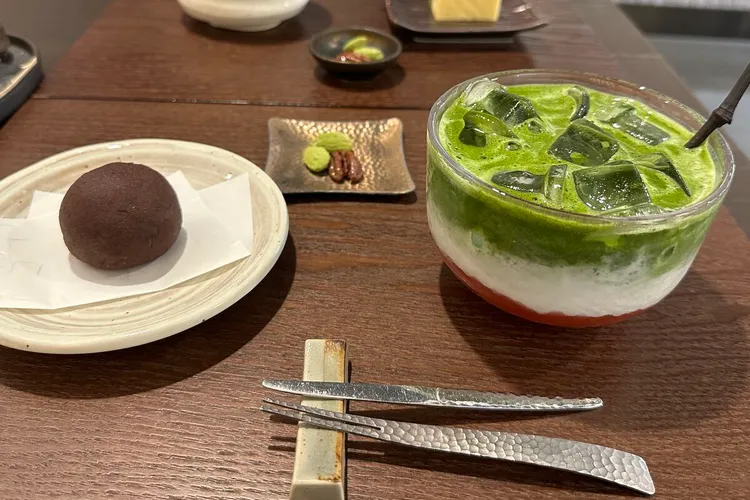
If Mochibang felt familiar to you, Chaten will too. Same concept — Japanese tea house style, you’re required to order both a drink and a dessert, and the matcha is the real thing. The main difference is the atmosphere: Chaten runs a little darker inside, which gives it a slightly more intimate feel.
I had the layered strawberry matcha latte — same beautiful presentation as Mochibang, matcha on top, strawberry at the bottom, the sweetness coming naturally from the fruit rather than anything added. For dessert I had the mochi, which you pick from the selection available. A good visit overall — if you’ve already been to Mochibang and want something in a similar vein but on the Gangnam side of the city, this is worth knowing about.
Heon Cha Haus
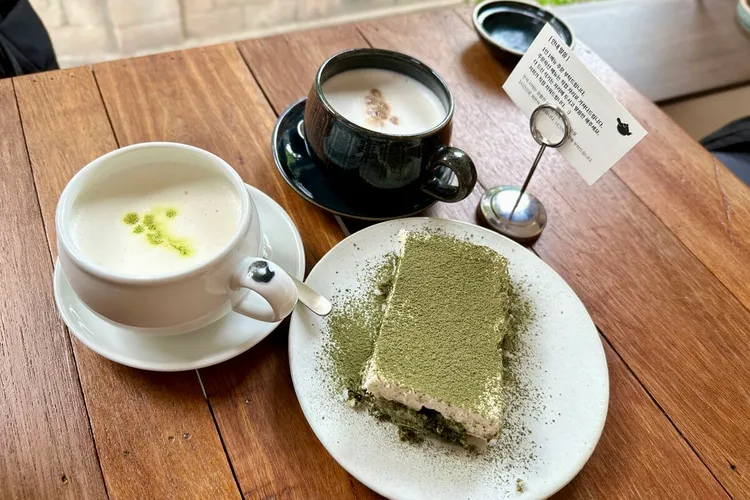
This one relocated and is now operating as 해온 차 하우스 (Haeon Cha Haus). It’s tucked into Samcheong-dong, one of the quieter, more charming parts of Seoul near Bukchon and Gyeongbokgung. The space is beautifully done — super clean, minimalist, with a small garden you can sit and look out to.
The owner speaks good English and is genuinely welcoming — a small thing that makes a big difference when you’re navigating somewhere new. The matcha comes unsweetened without you having to ask, which by now you’ll know is not as common as it should be. I had the matcha latte with oat milk, my husband had the hojicha latte with oat milk. Both were good.
We also tried the matcha tiramisu. It’s worth knowing that it’s made without egg, which gives it a different texture from a traditional tiramisu — lighter and a little sweeter than expected.
Delphic
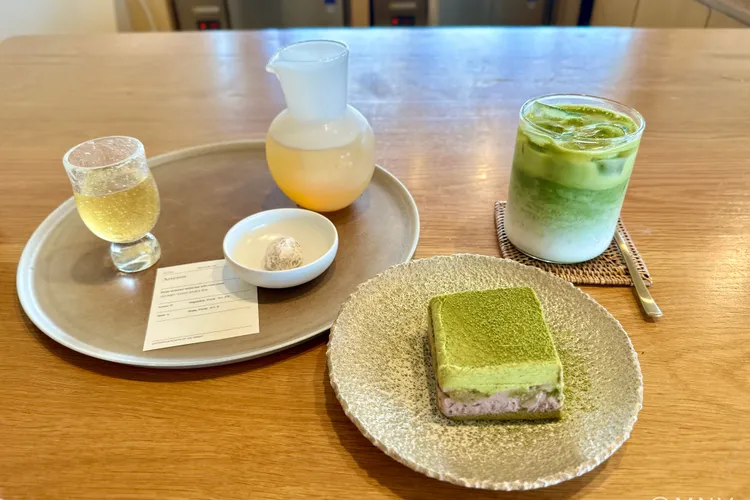
On the second floor of a building that looks like a small museum — clean lines, industrial modern, bright and minimal. It doesn’t announce itself, but once you’re up there it makes complete sense. The space is all bar seating inside with a few outdoor seats, so it’s not somewhere you settle into for the afternoon. But that’s not the point.
The matcha is legit. It tastes like tea — properly grassy, nothing masked, no sweetness getting in the way. Worth ordering without hesitation. The food is just as considered. What they bring out is visually precise and quietly impressive. One thing to know before you go: no alternative milk. If oat or soy matters to you, plan accordingly.